
Table of Contents:
Trading Floor: Definition
A trading floor is a designated physical space where financial instruments such as stocks, bonds, futures, and options are actively traded. This environment is crucial for facilitating transactions and ensuring liquidity in the financial markets. Traditionally, trading floors have been integral parts of major stock exchanges, such as the New York Stock Exchange (NYSE) and the Chicago Board of Trade (CBOT).
On a trading floor, traders engage in various activities that involve buying and selling securities. These activities can occur through different methods, with the most notable being the open outcry system, where traders communicate verbally and through hand signals. However, with the advent of technology, many trading floors now incorporate electronic trading systems, which allow for faster and more efficient transactions.
Key characteristics of trading floors include:
- Physical Location: Trading floors are typically housed within the premises of financial institutions or stock exchanges, creating a centralized hub for trading activities.
- Market Makers: Various types of traders operate on the floor, including floor brokers, hedgers, scalpers, spreaders, and position traders, each with specific roles and strategies.
- Dynamic Environment: The trading floor is characterized by a fast-paced atmosphere, where real-time decisions are made based on market movements and economic indicators.
Overall, trading floors play a vital role in the functioning of financial markets, serving as the backbone for trade execution and market regulation. As technology continues to evolve, the dynamics of trading floors are also changing, integrating more digital solutions while still maintaining some traditional aspects of trading.
Overview of Trading Floors
The overview of trading floors highlights their essential role in the financial ecosystem. These dedicated spaces are not only physical locations but also represent the heart of trading activities, where various financial instruments are exchanged. Trading floors can be found in major stock exchanges, like the New York Stock Exchange (NYSE) and the Chicago Board of Trade (CBOT), as well as in investment banks and hedge funds.
Key aspects of trading floors include:
- Market Accessibility: Trading floors provide direct access for traders to buy and sell securities, facilitating swift transaction execution.
- Liquidity Provision: They play a crucial role in maintaining market liquidity, ensuring that assets can be easily traded without significant price fluctuations.
- Price Discovery: The interactions on trading floors contribute to the price discovery process, where the prices of securities are determined based on supply and demand dynamics.
- Trader Interaction: The floor allows for immediate communication among traders, which can enhance decision-making and trading strategies.
In recent years, trading floors have evolved significantly due to technological advancements. While traditional trading methods are still present, electronic trading systems now dominate the landscape. These systems allow for greater speed and efficiency, enabling traders to execute orders with minimal delay.
Moreover, the integration of algorithmic trading and high-frequency trading strategies has transformed the way trading floors operate. As a result, the environment has become increasingly competitive, requiring traders to adapt quickly to changing market conditions.
In summary, trading floors serve as vital hubs for financial activity, fostering interaction among traders and ensuring efficient market operations. Their ongoing evolution reflects the broader changes within the financial industry, driven by technology and innovation.
Key Features of Trading Floors
The key features of trading floors encompass a variety of elements that define their operation and significance in financial markets. Understanding these features provides insight into how trading floors function and the environment in which traders operate.
- Physical Layout: Trading floors are organized into distinct areas or pits where traders congregate to execute trades. This physical arrangement allows for efficient communication and interaction among traders, fostering a dynamic trading atmosphere.
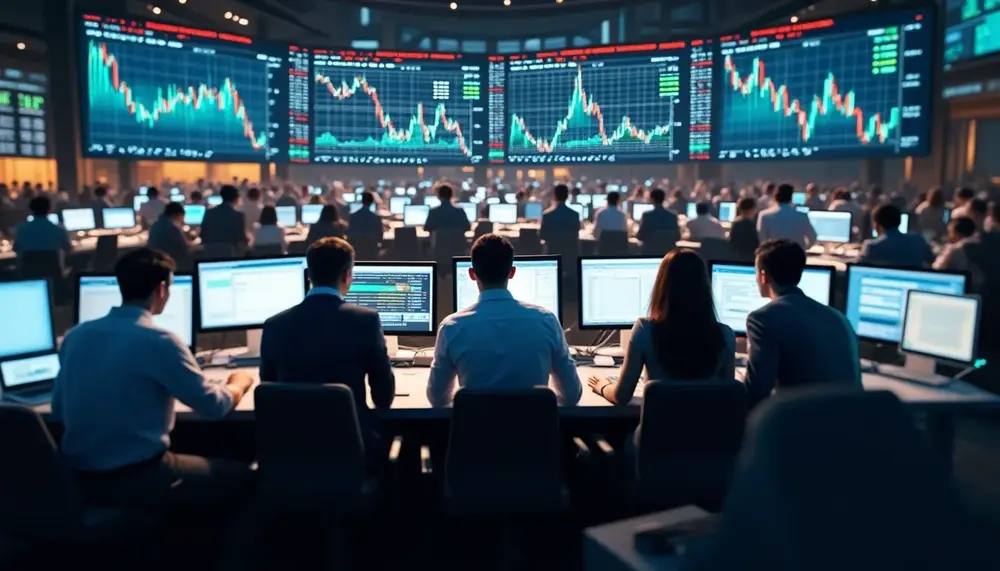
- Real-Time Information: Access to real-time market data is crucial. Trading floors are equipped with screens displaying live price feeds, charts, and news updates, enabling traders to make informed decisions swiftly.
- Brokerage Services: Many trading floors provide brokerage services, where floor brokers facilitate trades for clients. This service adds a layer of professionalism and efficiency, as brokers leverage their market knowledge to execute trades on behalf of clients.
- Risk Management Tools: Traders utilize various risk management tools and strategies to mitigate potential losses. These may include stop-loss orders, options, and futures contracts that help protect against adverse market movements.
- Compliance and Regulation: Trading floors must adhere to strict regulatory guidelines to ensure fair and transparent trading practices. Compliance officers are often present on the floor to monitor activities and enforce regulations.
- Collaboration and Teamwork: Successful trading often relies on collaboration among traders. Many trading floors encourage teamwork, allowing traders to share insights and strategies, which can enhance overall performance.
In summary, the features of trading floors create a unique environment that facilitates the trading of financial instruments. From their physical layout to the technology and tools available, these elements contribute to the effectiveness and efficiency of trading operations.
Understanding the Trading Floor Dynamics
Understanding the trading floor dynamics involves examining how various elements interact to create a functional and efficient trading environment. The dynamics on a trading floor are influenced by several factors, including market conditions, trader behavior, and technological advancements.
One significant aspect is the interaction between traders. On the trading floor, communication is crucial. Traders often rely on both verbal and non-verbal cues to convey their intentions and respond to market changes quickly. This real-time interaction can lead to rapid decision-making, which is essential in a fast-paced trading environment.
Another factor is market sentiment. Traders’ emotions and perceptions can heavily influence trading strategies and outcomes. The collective behavior of traders, driven by news events, economic reports, and market trends, can create a volatile atmosphere, affecting the prices of securities significantly.
The role of technology is also paramount. With the integration of electronic trading systems, trading floors have transformed. These systems provide traders with tools for analysis, order execution, and risk management, enhancing their ability to make informed decisions. Advanced algorithms can analyze vast amounts of data to identify trading opportunities, thereby shaping the dynamics of the trading floor.
Additionally, regulatory compliance plays a critical role in trading floor dynamics. Traders must adhere to various regulations, which can affect trading strategies and operational procedures. Compliance ensures that trading activities are conducted fairly and transparently, fostering trust in the market.
In summary, the dynamics of a trading floor are shaped by the interplay of trader interactions, market sentiment, technology, and regulatory frameworks. Understanding these dynamics is essential for anyone looking to navigate the complexities of trading environments effectively.
Types of Traders on the Trading Floor
On a trading floor, various types of traders play distinct roles, each contributing to the market's functionality and efficiency. Understanding these different trader types is essential for grasping how trading operations unfold.
- Floor Brokers: These traders act as intermediaries who execute buy and sell orders on behalf of clients. They have a deep understanding of market dynamics and often use their experience to obtain the best prices for their clients.
- Hedgers: Hedgers are traders who seek to minimize risk by taking positions that offset potential losses in their primary investments. They often use derivatives like futures and options to protect against price fluctuations.
- Scalpers: Scalpers aim to make small profits from numerous trades throughout the day. They rely on quick execution and high trading volume, often holding positions for just seconds or minutes.
- Position Traders: These traders take longer-term positions based on fundamental analysis and market trends. Unlike scalpers, position traders may hold their investments for weeks, months, or even years.
- Arbitrageurs: Arbitrageurs exploit price discrepancies between different markets or instruments. They buy in one market and sell in another to profit from the price differences, often executing trades in milliseconds.
- Market Makers: Market makers provide liquidity to the market by continuously buying and selling securities. They help ensure that there is always a market for a particular security, which can stabilize prices and enhance trading volume.
Each type of trader employs unique strategies and techniques tailored to their goals and risk tolerance. This diversity on the trading floor fosters a dynamic environment that is essential for efficient market operations and liquidity.
The New York Stock Exchange Trading Floor
The New York Stock Exchange (NYSE) Trading Floor is a prominent and historic hub of financial activity located at 11 Wall Street, New York City. Established in 1865, it has become synonymous with the American financial market and is recognized globally as a leading exchange for trading stocks and other securities.
One of the unique features of the NYSE Trading Floor is its physical layout, which is designed to facilitate efficient trading. The floor is divided into various trading posts, each dedicated to specific securities or groups of securities. This organization allows traders to quickly access the markets they are interested in and engage in transactions effectively.
Another critical aspect is the open outcry system, which, although diminishing with the rise of electronic trading, still plays a role in the NYSE's operations. Traders use verbal commands and hand signals to communicate their buy and sell orders, fostering a lively and interactive atmosphere. This method allows for immediate feedback and rapid decision-making, although it has been largely supplemented by advanced technology.
In recent years, the NYSE Trading Floor has adapted to technological advancements. While traditional trading methods remain, the integration of electronic systems has transformed how trades are executed. Automated trading systems now handle a significant portion of transactions, allowing for increased efficiency and reduced latency in trade execution.
The NYSE has also expanded its offerings significantly. As of 2017, the range of securities available for trading on the NYSE Trading Floor increased from approximately 3,500 to around 8,600, reflecting the exchange's commitment to providing a comprehensive platform for investors.
In conclusion, the NYSE Trading Floor is not just a physical space for trading but a dynamic environment where tradition meets innovation. Its historical significance, coupled with its adaptability to modern trading practices, makes it a vital component of the global financial landscape.
The Open Outcry Method Explained
The Open Outcry Method is a traditional trading technique utilized on trading floors, characterized by its vocal and gestural communication style. This method allows traders to convey buy and sell orders directly to one another in a dynamic and interactive environment. Though largely supplanted by electronic trading, it remains a significant part of trading history.
Key elements of the Open Outcry Method include:
- Vocal Communication: Traders shout their orders and prices, creating a lively atmosphere. This verbal exchange allows for immediate feedback and adjustments based on market conditions.
- Hand Signals: In addition to vocalization, traders use specific hand gestures to indicate their intentions. These signals help convey complex information quickly in a noisy environment.
- Floor Brokers: Floor brokers play a critical role in this method, acting as intermediaries between buyers and sellers. They represent clients and aim to execute trades at the best available prices.
- Real-Time Negotiation: The Open Outcry Method facilitates real-time negotiation, allowing traders to react instantly to market changes. This immediacy can lead to more favorable pricing for traders who can quickly respond to fluctuations.
- Market Transparency: This method enhances market transparency as traders can see and hear the actions of others. This visibility can build trust among participants and contribute to a more informed trading environment.
While the Open Outcry Method has been largely replaced by advanced electronic trading systems, it remains a fascinating aspect of trading history. Understanding this method provides valuable insights into the evolution of trading practices and the transition to modern trading technologies.
Recent Developments in Trading Floors
Recent developments in trading floors have been significantly influenced by technological advancements and shifting market dynamics. These changes have transformed how trading operations are conducted, impacting everything from trading strategies to market accessibility.
One notable trend is the increasing integration of algorithmic trading. This involves the use of complex mathematical models and automated systems to execute trades at optimal prices. Algorithmic trading has become prevalent due to its ability to analyze vast amounts of data quickly, allowing traders to capitalize on market inefficiencies almost instantaneously.
Additionally, the rise of high-frequency trading (HFT) has reshaped the landscape of trading floors. HFT firms utilize advanced algorithms to execute a large number of orders within fractions of a second. This rapid trading can lead to increased liquidity but has also raised concerns about market volatility and the potential for flash crashes.
The COVID-19 pandemic has further accelerated changes in trading floor operations. Many firms have adopted remote trading capabilities, allowing traders to work from home while maintaining connectivity to the market. This shift has prompted discussions about the future of physical trading floors and whether they will continue to play a central role in trading activities.
Moreover, trading floors have seen an expansion in the range of financial instruments available for trading. The NYSE, for example, has significantly increased its offerings, allowing traders to access a wider variety of assets, including exchange-traded funds (ETFs) and international securities.
Lastly, there has been a growing emphasis on sustainability and ESG (Environmental, Social, and Governance) factors in trading decisions. Investors are increasingly interested in sustainable investment options, prompting trading floors to adapt their strategies to accommodate this demand.
In conclusion, recent developments in trading floors reflect a broader evolution in the financial markets, driven by technology, regulatory changes, and shifting investor preferences. As these trends continue to unfold, the landscape of trading is likely to evolve further, presenting new opportunities and challenges for market participants.
Role of Technology in Modern Trading Floors
The role of technology in modern trading floors is transformative, redefining how trades are executed and how traders interact with the markets. As financial markets become increasingly complex, technology serves as a critical enabler for efficiency, accuracy, and speed.
Key technological advancements impacting trading floors include:
- Electronic Trading Platforms: These platforms allow traders to execute orders electronically, significantly reducing the time required for trade execution. This shift has improved market access for a broader range of participants, including retail investors.
- Algorithmic Trading: Algorithms are now employed to automate trading strategies. By using predefined criteria, algorithms can analyze market data and execute trades at optimal times, often without human intervention. This has increased trading volume and liquidity in the markets.
- Data Analytics: Advanced data analytics tools provide traders with insights into market trends and patterns. By analyzing historical data, traders can make more informed decisions, improving their chances of success.
- Artificial Intelligence (AI): AI technologies are being integrated into trading systems to enhance decision-making processes. Machine learning algorithms can adapt to new information, allowing for more sophisticated trading strategies that can respond to changing market conditions.
- Real-Time Market Data Feeds: Access to real-time data is crucial for making timely trading decisions. Modern trading floors utilize advanced data feeds that deliver up-to-the-second information on prices, volume, and market news, enabling traders to react quickly to market movements.
- Risk Management Software: Enhanced risk management tools allow traders to monitor their exposure and manage their portfolios more effectively. These systems can provide alerts and analytics to help mitigate potential losses in volatile market conditions.
In summary, technology plays a vital role in modern trading floors by enhancing efficiency, facilitating rapid execution, and providing traders with the tools they need to navigate complex financial markets. As technology continues to evolve, it will further shape the future of trading, presenting new opportunities and challenges for market participants.
Impact of Electronic Trading on Traditional Floors
The impact of electronic trading on traditional floors has been profound, reshaping the landscape of financial markets. As technology advances, traditional trading floors are adapting to new methodologies that enhance efficiency and speed while also posing unique challenges.
One major change is the reduction in the number of physical traders present on the trading floor. Electronic trading platforms enable a significant portion of trading activity to occur without the need for face-to-face interactions. This has led to a decrease in the reliance on traditional methods such as open outcry, where traders would shout and gesture to communicate orders.
Additionally, the rise of algorithmic and high-frequency trading has transformed trading strategies. These methods allow firms to execute large volumes of trades at incredible speeds, often taking advantage of minor price discrepancies that human traders would miss. This shift has increased market liquidity but has also contributed to greater volatility, particularly during periods of market stress.
Moreover, electronic trading has democratized access to financial markets. Retail investors now have the ability to trade on the same platforms as institutional investors, leveling the playing field and increasing competition. This accessibility has led to a surge in retail trading volumes, especially during significant market events or trends.
However, the transition to electronic trading is not without its challenges. The reliance on technology introduces risks such as system outages and cyber threats. A malfunction in trading algorithms or a breach in security can lead to significant financial losses and market disruptions. Consequently, firms must invest heavily in robust technology infrastructure and cybersecurity measures to mitigate these risks.
In summary, electronic trading has revolutionized the operations of traditional trading floors, enhancing efficiency and accessibility while also introducing new complexities and risks. As the financial landscape continues to evolve, trading floors must adapt to balance the benefits of technology with the inherent challenges it presents.
Career Opportunities in Trading Floor Operations
The career opportunities in trading floor operations are diverse and dynamic, reflecting the multifaceted nature of financial markets. As trading floors evolve, they offer a range of roles that cater to various skill sets and interests, making them appealing to individuals seeking a career in finance.
Some prominent career paths within trading floor operations include:
- Trader: Traders are responsible for executing buy and sell orders for securities. They analyze market trends and make quick decisions to capitalize on price movements. Specializations can include equities, options, or futures trading.
- Floor Broker: Floor brokers facilitate trades on behalf of clients, ensuring that orders are executed efficiently and at the best possible prices. They need strong communication skills and a deep understanding of market dynamics.
- Quantitative Analyst: Also known as quants, these professionals use mathematical models to analyze financial data and develop trading strategies. They play a crucial role in algorithmic trading and risk management.
- Risk Manager: Risk managers assess and mitigate financial risks associated with trading activities. They develop strategies to minimize potential losses and ensure compliance with regulatory requirements.
- Compliance Officer: Compliance officers ensure that trading activities adhere to legal and regulatory standards. They monitor trades for potential violations and help maintain the integrity of the trading process.
- Market Analyst: Market analysts research and analyze market conditions, providing insights that inform trading strategies. They monitor economic indicators, news events, and other factors that can impact market movements.
In addition to these roles, many trading floors also seek professionals with backgrounds in technology, as the integration of tech solutions becomes increasingly vital. Positions in IT support, software development, and data analysis are essential for maintaining the infrastructure that supports modern trading operations.
To prepare for a career in trading floor operations, individuals can pursue relevant educational paths, such as degrees in finance, economics, or mathematics, and consider obtaining certifications like the Chartered Financial Analyst (CFA) or Financial Risk Manager (FRM). Gaining experience through internships or entry-level positions can also be invaluable.
In conclusion, the career opportunities in trading floor operations are vast and varied, offering individuals the chance to work in a fast-paced and rewarding environment. As the financial landscape continues to change, those who are adaptable and willing to embrace new technologies will find exciting prospects in this field.
Essential Skills for Trading Floor Professionals
To thrive in the fast-paced environment of a trading floor, professionals need a specific set of essential skills that cater to the demands of the financial markets. These skills not only enhance individual performance but also contribute to the overall efficiency of trading operations.
- Analytical Skills: The ability to analyze complex data and market trends is crucial. Traders must interpret financial reports, understand economic indicators, and identify patterns that can influence trading decisions.
- Decision-Making: Quick and effective decision-making is vital on the trading floor. Professionals must assess situations rapidly and choose the best course of action, often under pressure.
- Communication Skills: Strong verbal and written communication skills are essential for collaborating with team members and conveying trading strategies. Effective communication helps in executing trades accurately and efficiently.
- Technical Proficiency: Familiarity with trading software and platforms is necessary. Professionals should be comfortable using electronic trading systems, data analytics tools, and financial modeling software to enhance their trading strategies.
- Risk Management: Understanding risk management principles is essential for protecting capital and minimizing losses. Professionals should be able to evaluate their exposure and implement strategies to mitigate potential risks.
- Attention to Detail: Precision is key in trading. A minor error can lead to significant financial consequences, so professionals must pay close attention to every detail in their analyses and executions.
- Adaptability: The financial markets are constantly changing, and being able to adapt to new information, technologies, and market conditions is crucial for success on the trading floor.
- Teamwork: Collaboration with colleagues is often necessary to develop effective trading strategies. Professionals should be able to work well in teams, sharing insights and supporting one another in achieving common goals.
In summary, a combination of analytical prowess, effective communication, technical skills, and adaptability forms the foundation of success for trading floor professionals. Continuous learning and development of these skills can significantly enhance career prospects in the ever-evolving financial landscape.
Training and Certification for Trading Floor Roles
Training and certification for trading floor roles are essential components for aspiring finance professionals looking to excel in this competitive environment. With the rapid evolution of trading practices and technologies, obtaining the right education and credentials can significantly enhance job prospects and career advancement.
Several key areas of focus are important for those pursuing a career on the trading floor:
- Formal Education: A bachelor's degree in finance, economics, mathematics, or a related field is often the minimum requirement. Many trading firms prefer candidates with advanced degrees, such as an MBA, which can provide a deeper understanding of financial markets and investment strategies.
- Professional Certifications: Certifications can demonstrate expertise and commitment to the field. Popular certifications include:
- Chartered Financial Analyst (CFA) - Focuses on investment management and analysis.
- Financial Risk Manager (FRM) - Specializes in risk management and financial risk assessment.
- Certified Market Technician (CMT) - Concentrates on technical analysis and trading strategies.
- Internships: Gaining practical experience through internships is invaluable. Many trading firms offer internship programs that provide hands-on experience in trading operations, market analysis, and risk management.
- Networking: Building a professional network within the finance industry can open doors to job opportunities. Attending industry conferences, joining finance-related organizations, and connecting with alumni can help establish important relationships.
- Continuous Learning: The financial markets are constantly evolving, making it crucial for trading professionals to stay updated on market trends, regulatory changes, and new technologies. Engaging in ongoing education through workshops, webinars, and specialized courses can be beneficial.
In conclusion, pursuing training and certification for trading floor roles is a strategic approach to building a successful career in finance. By focusing on education, gaining practical experience, and staying connected within the industry, aspiring professionals can position themselves for success in this dynamic field.
Resources for Further Learning about Trading Floors
For those interested in deepening their understanding of trading floors, a variety of resources for further learning are available. These resources can provide valuable insights into market operations, trading strategies, and the latest trends in the financial industry.
- Books: Consider reading foundational texts such as "Market Wizards" by Jack D. Schwager, which features interviews with top traders, or "The Intelligent Investor" by Benjamin Graham, which covers essential investment principles.
- Online Courses: Platforms like Coursera and Udemy offer courses specifically focused on trading and financial markets. Courses such as "Trading Strategies in Emerging Markets" can help learners understand various trading tactics.
- Webinars and Workshops: Many financial institutions and educational organizations conduct webinars and workshops on trading topics. Participating in these events can provide live insights from industry experts and practitioners.
- Podcasts: Podcasts like "Chat With Traders" and "The Investor's Podcast" offer discussions with successful traders and financial experts, covering a wide range of topics related to trading and investment strategies.
- Industry Reports: Financial firms and research organizations frequently publish reports on market trends, trading volume, and economic forecasts. Subscribing to these reports can keep you updated on market dynamics.
- Networking Events: Attending finance and trading conferences can provide opportunities to connect with professionals in the field. Events like the TradersEXPO offer workshops, panels, and networking opportunities.
By leveraging these resources, individuals can enhance their knowledge and skills related to trading floors, positioning themselves for success in the ever-evolving financial landscape.
Useful links on the topic
- Trading Floor: Definition, Overview, Applications - Investopedia
- Trading Floor - Corporate Finance Institute
- TRADING FLOOR definition | Cambridge English Dictionary
FAQ about Business Trading Floors
What is a business trading floor?
A business trading floor is a physical space where financial instruments are traded, allowing traders to buy and sell securities such as stocks, bonds, and derivatives.
What types of traders work on a trading floor?
Various types of traders operate on a trading floor, including floor brokers, market makers, hedgers, scalpers, and position traders, each employing unique strategies and techniques.
How does electronic trading impact traditional trading floors?
Electronic trading has transformed traditional trading floors by increasing efficiency, reducing the need for physical traders, and allowing for faster execution of trades, while also introducing new market dynamics.
What role does technology play in modern trading floors?
Technology enhances trading floors by facilitating electronic trading, providing real-time market data, and enabling algorithmic trading strategies, which improve decision-making and execution speed.
What are the essential skills for trading floor professionals?
Essential skills include analytical abilities, quick decision-making, strong communication, technical proficiency, risk management, attention to detail, adaptability, and teamwork.